.png?width=1500&height=250&name=BAIL%20HOUSE%202024%20dark%20background%20(1).png)
-1.png?width=777&height=130&name=BAIL%20HOUSE%202024%20(2)-1.png)
Understanding PC 192(b) Involuntary Manslaughter and Bail Bonds
Under California law, involuntary manslaughter is a very serious homicide offense, even though it...
By: The Bail House on Dec 8, 2025 7:41:43 PM
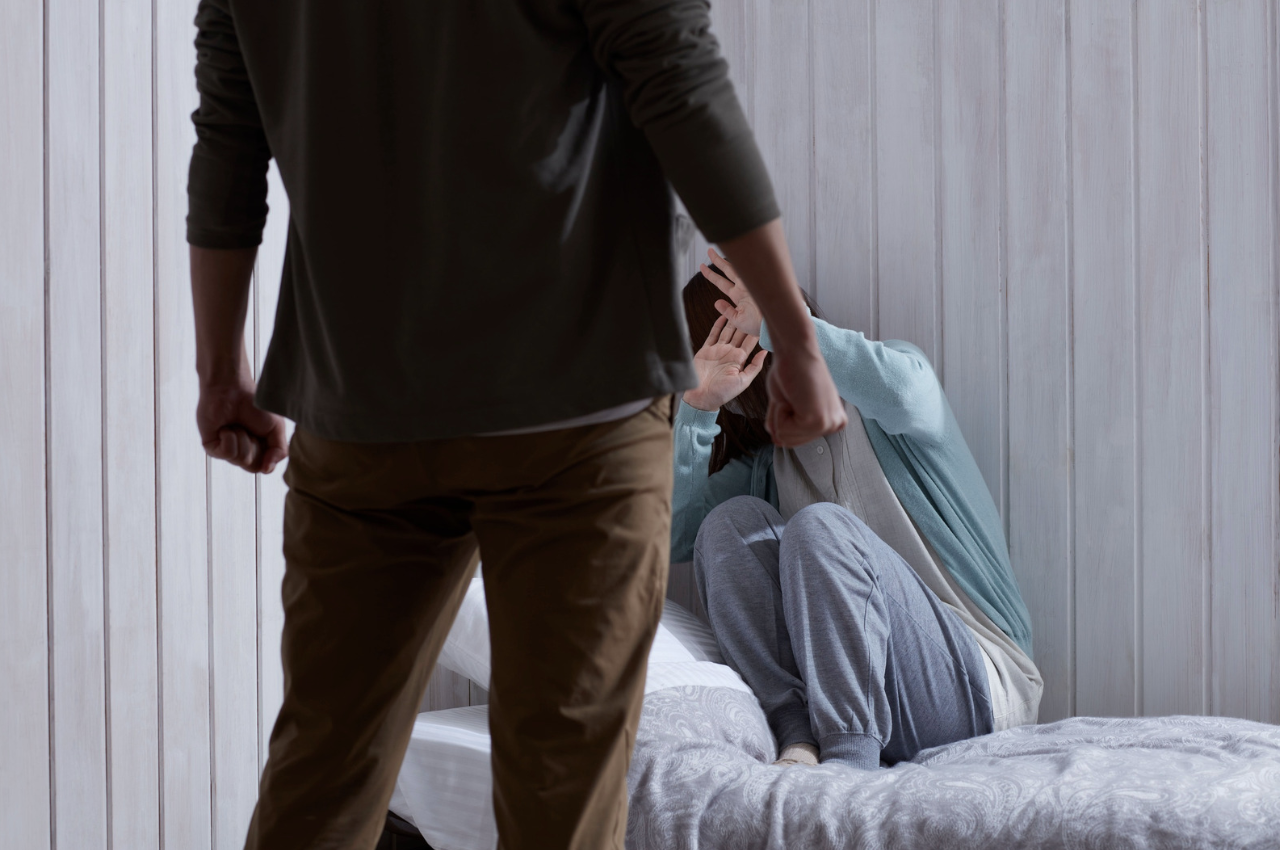
Domestic violence cases are taken very seriously in California, and one of the most commonly charged offenses is under Penal Code 243(e)(1). This code, often referred to as domestic battery, covers battery against a spouse, former spouse, cohabitant, former cohabitant, fiancé, dating partner, or the parent of one’s child. Unlike other domestic violence charges that require visible injuries, Penal Code 243(e)(1) does not necessitate evidence of physical injury. Even minimal physical contact—if deemed harmful or offensive—can lead to an arrest.
Examples of actions that may result in a charge under Penal Code 243(e)(1) include:
The consequences of a 243(e)(1) misdemeanor charge can be severe, affecting one's employment, reputation, and future legal matters. Understanding this legislation and its implications is crucial for individuals arrested in Nevada City and processed through the Nevada County Sheriff.
When law enforcement responds to a domestic disturbance call in Nevada City, they evaluate signs of aggression, witness statements, and the emotional state of everyone involved. If they believe any form of battery assault occurred, an arrest is likely—even if the alleged victim does not want to press charges.
Upon arrest:
This process can be stressful and confusing, particularly for first-time offenders. The role of a Bail Bondsman becomes critical in navigating this challenging situation.
After being arrested for domestic battery, the immediate priority should be securing release from jail. Posting bail allows the defendant to return home, continue working, and begin preparing their legal defense. Quick action can significantly impact the outcome of the case.
Here are the immediate steps to take:
Bail bonds are essential when the bail amount is too high to pay in full. A bail bond allows a person to secure release from jail by paying a small percentage of the full bail amount to a licensed Bail Bondsman. Typically, this is around 10% of the total bail amount.
Working with a Bail Bondsman ensures:
Bail House Bail Bonds stands out for several reasons:
After securing release through a bail bond, the next challenge is navigating court dates and compliance requirements. Missing a court date can result in severe consequences, including a warrant for arrest and potential forfeiture of the bail bond.
To navigate this process successfully:
Not all domestic battery accusations are clear or accurate. Some may be exaggerated, mistaken, or fueled by emotional conflict. Common defenses include:
An experienced attorney will evaluate the details and determine the strongest defense strategy.
Is Penal Code 243(e)(1) considered domestic violence? Yes. Even though it is a misdemeanor, it falls under California’s domestic violence laws and can lead to mandatory counseling and restraining orders.
Do I need visible injuries to be charged with domestic battery? No. Unlike Penal Code 273.5, which requires injury, 243(e)(1) only requires offensive or harmful physical contact.
How much is bail for a 243(e)(1) charge in Nevada City? Bail amounts vary based on the Nevada County bail schedule, but domestic battery charges typically fall in a moderate range. A bail bond allows you to pay only a small portion of the full amount.
Can the alleged victim drop the charges? No—not directly. Once law enforcement makes an arrest, only the prosecutor can decide whether to pursue or drop the case.
Why should I use Bail House Bail Bonds? Their quick response, confidentiality, local expertise, and compassion make them one of the best choices for navigating domestic battery arrests in Nevada County.
Bail House Bail Bonds is more than just a bail agency; they are a trusted partner during a difficult time. Here’s why they stand out:
Choosing Bail House Bail Bonds means choosing a supportive, trustworthy, and compassionate partner to help navigate the complexities of domestic battery charges in Nevada City.
Under California law, involuntary manslaughter is a very serious homicide offense, even though it...
When someone is arrested in Truckee, California, the...